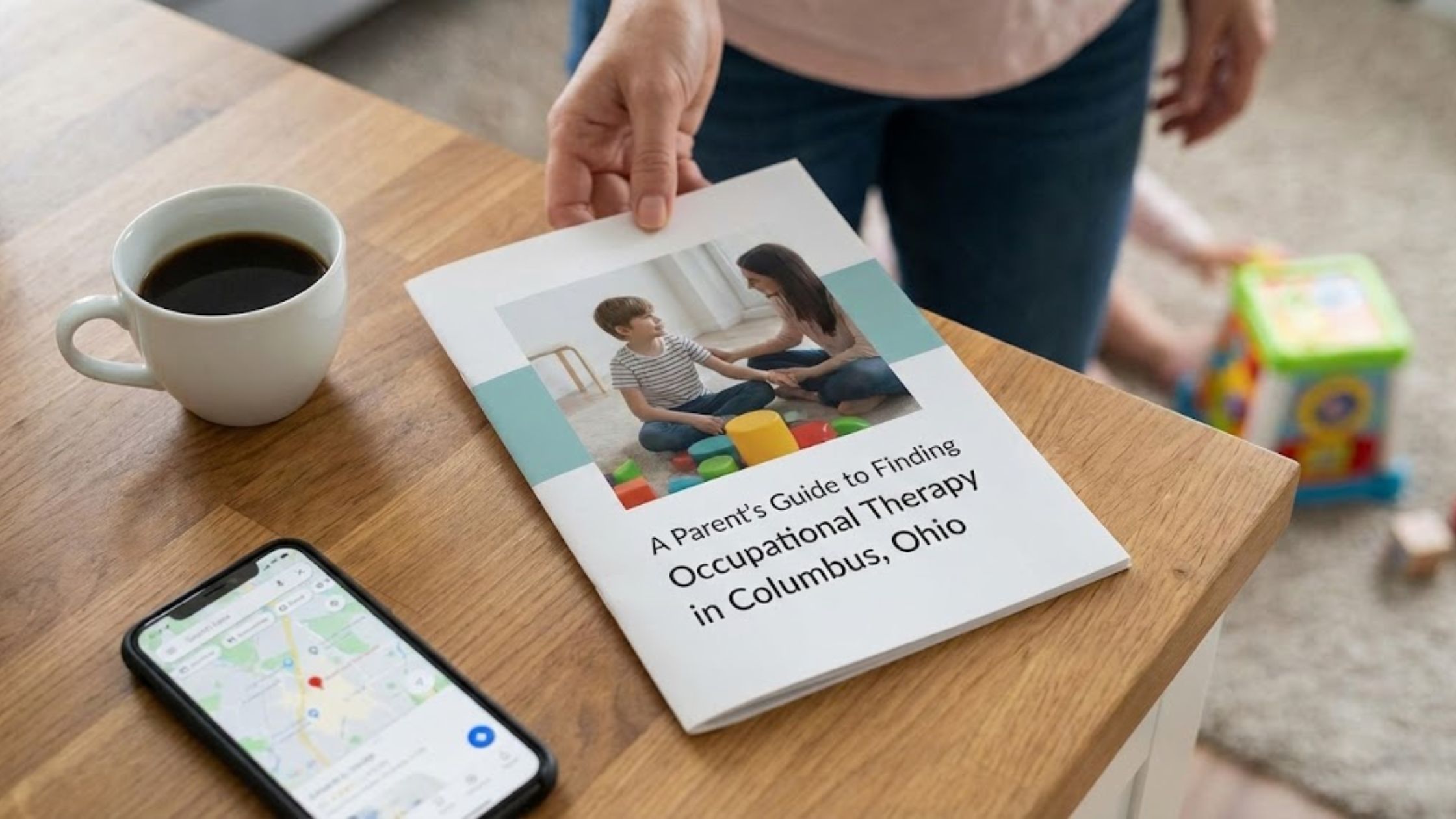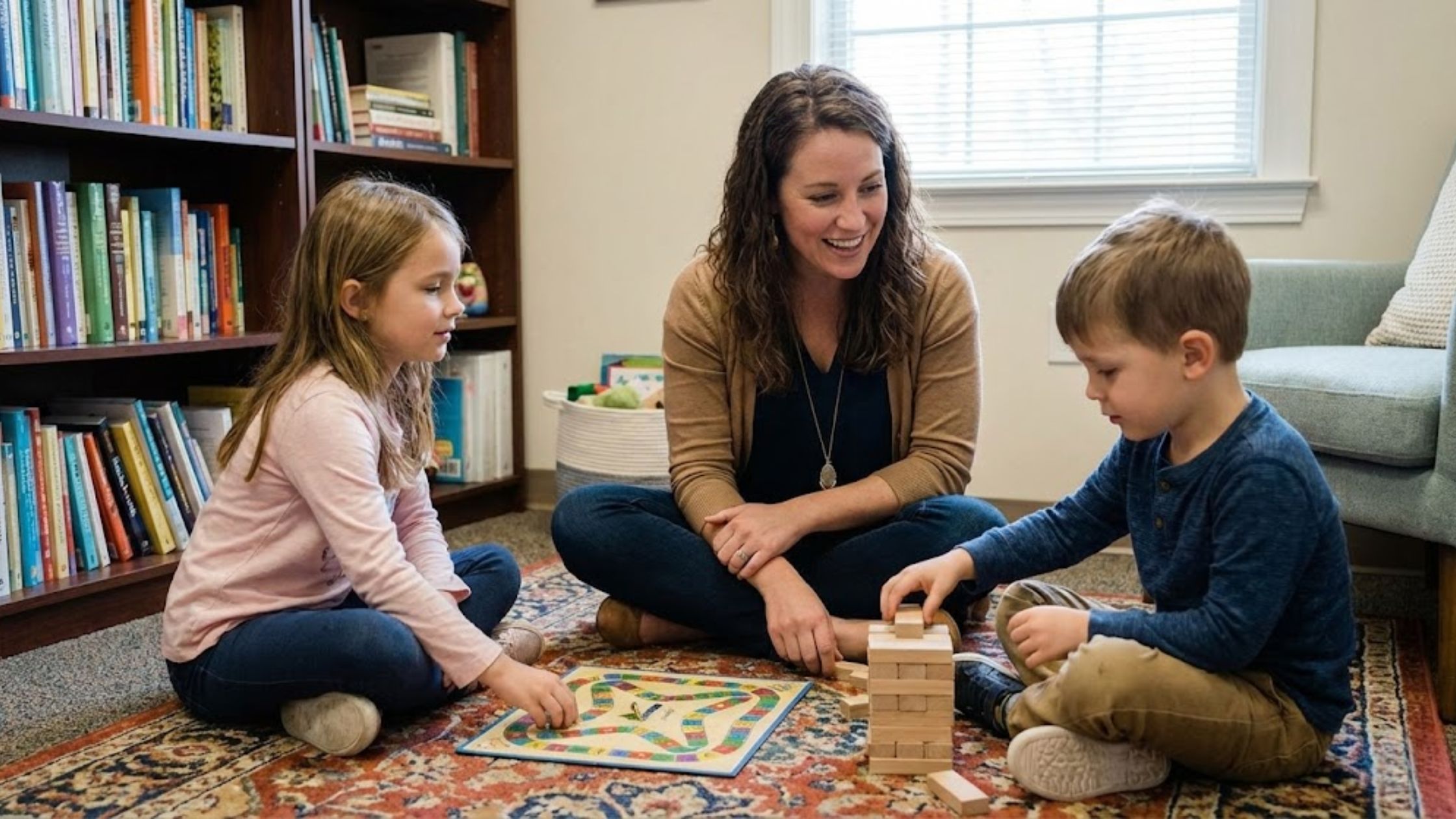

Raising a child is a beautiful, rewarding journey, but it is certainly not without its challenges. As a parent, your greatest desire is to see your child thrive, hit their developmental milestones, and navigate the world with joy and confidence. But what happens when your little one struggles with everyday tasks, sensory processing, or fine motor skills? That is where pediatric occupational therapy (OT) comes into play.
If you are a parent living in Northeast Ohio, you might feel overwhelmed by the sheer number of healthcare providers, clinics, and educational options available. Knowing where to start can be daunting. Welcome to the Ultimate Guide to Finding the Best Occupational Therapy for Kids in Cleveland, Ohio. Whether you are just beginning to explore early intervention or are looking to switch to a more supportive provider, this comprehensive guide from Clever Bee Academy is designed to help you navigate the process with ease, clarity, and confidence.
What is Pediatric Occupational Therapy?
Before diving into how to find the best provider, it is essential to understand what occupational therapy actually does for children. For adults, the word “occupation” usually means a career or a job. But for a child, their “job” is playing, learning, and developing essential life skills. Pediatric occupational therapy helps children gain independence in these primary “occupations.”
Occupational therapists work with children who have physical, sensory, cognitive, or developmental disabilities. The goal is to help them improve their fine motor skills, hand-eye coordination, and basic self-care abilities. This can include activities like learning how to properly hold a pencil, getting dressed, feeding themselves, using scissors, or managing sensory input in a busy, overwhelming environment.
5 Signs Your Child Might Benefit from OT
Not every child develops at the exact same pace, and a slight delay does not always necessitate professional therapy. However, early intervention is incredibly valuable. How do you know if your child might need an occupational therapist? Look out for these common signs:
-
Fine Motor Delays: Difficulty with tasks that require small muscle movements, such as drawing, buttoning clothes, zipping jackets, or using utensils.
-
Gross Motor Difficulties: Noticeable clumsiness, poor balance, or trouble with activities like jumping, skipping, or catching a ball.
-
Sensory Processing Issues: Overreacting or underreacting to touch, sounds, or textures. Your child might cover their ears often, refuse to wear certain clothing fabrics, or become highly distressed by loud noises.
-
Self-Care Challenges: Struggling with age-appropriate independence in dressing, brushing teeth, or toilet training.
-
Social and Play Skills: Difficulty engaging with peers, sharing, or playing with toys in expected ways.
Step-by-Step Guide to Finding the Best OT in Cleveland
1. Start with Your Pediatrician Your first step should always be to consult your child’s primary pediatrician. They can conduct an initial developmental screening, provide an official diagnosis if necessary, and offer a referral to a trusted specialist in the Cleveland area.
2. Leverage Ohio Government Resources Ohio offers incredible government support for families navigating developmental delays. If your child is under the age of three, the Ohio Early Intervention (EI) program is a vital state resource. Early Intervention is a statewide system that provides coordinated services to parents of eligible children, often directly in your home. For older children, the Ohio Department of Education and Workforce provides critical information on Individualized Education Programs (IEPs) and school-based OT services. Leveraging these state and local government resources can provide free or low-cost evaluations and therapy sessions for eligible families.
3. Check Credentials and Specializations When looking for an occupational therapist in Cleveland, verify their credentials. Ensure they are licensed by the State of Ohio Occupational Therapy, Physical Therapy, and Athletic Trainers Board. Look for therapists who specialize in pediatrics and have specific experience with your child’s unique needs, whether that is Autism Spectrum Disorder, ADHD, or Sensory Processing Disorder.
4. Consider the Learning Environment The setting in which your child receives therapy is just as important as the therapist themselves. Some children thrive in a traditional clinical setting, while others do much better in a familiar environment like their home or their childcare center. Integrating therapy into a child’s daily educational routine can significantly boost their progress and comfort level.
Spotlight on Clever Bee Academy in Cleveland
At Clever Bee Academy, we firmly believe that early childhood education and developmental support should go hand-in-hand. For families in Northeast Ohio, finding an integrated approach to childcare and specialized therapy is a total game-changer.
Our Cleveland location is proud to offer an inclusive, nurturing environment that supports children of all abilities. Conveniently located to serve local Cleveland families with top-tier early childhood education, our facility boasts safe, engaging classrooms and outdoor play areas designed to stimulate growth. We understand the vital role that specialized therapies play in a child’s early development. Our dedicated staff is trained to work seamlessly alongside your child’s therapeutic goals, ensuring that the critical skills they learn during their OT sessions are practiced, reinforced, and celebrated in the classroom.
If you are looking for dedicated therapeutic support that aligns with your child’s educational journey, we have resources tailored just for you. Learn more about our specialized programs and how we support therapeutic development by visiting our dedicated page on OT therapy for children in Cleveland. By bridging the gap between daily education and specialized occupational therapy, Clever Bee Academy ensures that your child is supported holistically every single day.
4 General Tips for Supporting Your Child During OT
Therapy doesn’t stop when the session ends. Here are some top tips for supporting your child’s occupational therapy journey at home:
-
Be Patient and Positive: Developmental progress takes time. Celebrate the small victories, whether it’s successfully holding a fork, managing a frustrating sensory moment, or tying a shoe for the very first time.
-
Communicate Constantly: Think of yourself, your child’s teachers, and the therapist as a unified team. Ask questions, request progress updates, and don’t hesitate to share your observations from home.
-
Practice Home Carryover: The real magic of occupational therapy happens when skills are practiced outside of the clinic. Ask your therapist for a “home diet” or specific activities you can do at home to reinforce what your child is learning.
-
Keep it Fun: Children learn best through play. Turn therapeutic exercises into fun, engaging games so your child doesn’t feel like they are doing “work.”
4 Frequently Asked Questions (FAQ) about Finding the Best OT:
- Q: How long does a typical pediatric OT session last? A: Most pediatric OT sessions last between 30 to 60 minutes, depending on the child’s age, attention span, and specific developmental needs. Sessions usually occur once or twice a week, though your therapist will recommend a schedule based on the initial evaluation.
- Q: Is occupational therapy only for children diagnosed with autism? A: Not at all! While occupational therapy is highly beneficial for children on the autism spectrum, it also helps children with ADHD, Down syndrome, cerebral palsy, sensory processing disorders, general developmental delays, or even children who are recovering from a physical injury.
- Q: Can my child receive OT at school and at a private clinic at the same time? A: Yes, absolutely. Many children in Cleveland benefit from a dual approach. School-based OT focuses primarily on educational and classroom needs (like handwriting, sitting at a desk, and classroom focus), while private or clinic-based OT addresses broader life skills, home routines, and deeper sensory integration.
- Q: How do I know if the therapy is actually working? A: You should begin to see gradual, steady improvements in your child’s ability to perform daily tasks. Your therapist will establish specific, measurable goals during the initial evaluation and provide regular progress reports. Open communication with your provider is key to understanding your child’s advancement.
Our Final Thoughts on How to Find the Best OT in Cleveland in 2026:
Finding the right occupational therapy for your child in Cleveland, Ohio, does not have to be an overwhelming or stressful process. By deeply understanding your child’s unique needs, researching local professionals, tapping into excellent government resources like Ohio Early Intervention, and choosing supportive educational environments like Clever Bee Academy, you are setting your child up for incredible, lifelong success.
Every child deserves the opportunity to thrive, learn, and grow with confidence. If you are ready to take the next step in supporting your child’s developmental journey, remember that the Clever Bee family is here to support you and your child every step of the way.